
"or acetic acid"
200 article(s) found

The non-enzymatic browning reaction of coffee roasting what happens to the caramelization reaction?
Baking basic science-browning reaction non-enzymatic browning reaction (Nonenzymatic Browning) non-enzymatic browning reaction is different from enzymatic browning reaction, non-enzymatic browning reaction does not need enzymes, but its reaction requires heat, sugar and amino acids. There are two non-enzymatic browning reactions related to coffee roasting: caramelization (caramelization recation) and Maillard reaction (Ma).
"Coffee roaster companion" the chemical substances of raw beans the structure and changes of coffee beans
Chapter 2: chemical substances of raw beans author: Scott Rao translator: Huaxia coffee raw beans are strong and green seeds, 50% of which are different forms of carbohydrates, and the other 50% are composed of water, proteins, lipids, acids, and various biological bases. Coffee roasters can bake good coffee without knowing the many chemicals in raw beans, but

The unique flavor of coffee is related to the growing environment. Air humidity and soil quality will affect the acidity of coffee.
For more information on coffee beans, please pay attention to the relationship between soil quality, humidity and organic acids (including citric acid, malic acid, acetic acid, fatty acid, chlorogenic acid) and inorganic acid (phosphoric acid) in coffee beans in the coffee workshop (Wechat official account cafe_style). The main results are as follows: (1) the volcanic rock producing area is easy to produce good coffee with good mellow and sour taste. The cup tester also found that come on.

Red wine treatment of coffee beans
Abstract: what the heck! The red wine treatment of coffee beans, also known as red wine treatment, is inspired by the brewing technology of red wine. We can roughly divide the types of red wine treatment into: acetic acid fermentation (Aerobic aerobic fermentation), lactic acid fermentation (Anaerobuic anaerobic fermentation), mixed fermentation 2015 WBC contestant Sasa brought a similar red wine brewing to the world.

Why does coffee taste sour? How do you know if the sour taste in coffee beans is good or bad?
Professional coffee knowledge exchange More coffee bean information, please pay attention to coffee workshop (Weixin Official Accounts cafe_style) More fine coffee beans, please add private WeChat Qianjie coffee, micro signal: qjcoffeex Some small partners think that the sour taste in coffee is negative taste, coffee is not good/fresh

Baking basic science, browning reaction non-enzymatic browning
Following Cafe Review (official Wechat account vdailycom) found that non-enzymatic browning of Beautiful Cafe opening a small shop of its own is different from enzymatic browning. Non-enzymatic browning reactions do not require enzymes, but their reactions require heat, sugars and amino acids. There are two non-enzymatic browning reactions related to coffee roasting: caramelization (caramelization recation) and Maillard reaction.
Robsta and Manning are fighting for headlines, and Arabica says he wants to get involved.
Professional coffee knowledge exchange more coffee bean information please pay attention to the coffee workshop (Wechat official account cafe_style) No matter what kind of beans, the lighter the roasting degree, the more sour (this is related to the coffee roasting process will produce acetic acid, acetic acid is a volatile organic acid, so the longer the roasting, the more intense the acetic acid volatilization, the less obvious the acidity), we can see the Yega Xuefei and Mantenin on the market.

Caffeic acid Caffeic acid is not equal to coffee
On June 24, 2013, People's Daily published an article revealing the PX project: its carcinogenicity is at the same level as coffee. According to international standards, PX is not a dangerous chemical and is a possible carcinogen like the coffee we drink. IARC's assessment of the risk of human cancer caused by chemicals is currently recognized as authoritative data. Interestingly, in its list of five carcinogens, the name of coffee appeared in 1991.

Hartmann red wine treatment
Its inspiration comes from the brewing technology of red wine. The selected coffee cherries are placed in a specific container with a device similar to a red wine fermentation suppository or a single exhaust valve. In this way, carbon dioxide can be spilled through the device to control the concentration of air in the container. At this time, the coffee cherries in the container are fermented by acetic acid, which is the opposite.

Coffee beans Red wine processing Flavor description Processing characteristics Origin introduction
Coffee beans red wine processing method flavor description processing characteristics origin introduction selected coffee cherries are placed by farmers uncle in a specific container, this container should be similar to red wine fermentation plug, or a single vent valve device. In this way, carbon dioxide can escape through the device to control the concentration of air in the container. At this time, the coffee cherries in the container entered
What is the difference of coffee flavor between aerobic fermentation and anaerobic fermentation
The red wine treatment, also known as controlled fermentation, or lactic acid / acetic acid fermentation, is led by Felipe Sardi, an American, and is made up of biological scientists and ecologists. Acetic acid fermentation aerobic fermentation (cleaner

Hartman Manor in Panama single bean processing method Flavor description planting information
Exchange of professional baristas follow the Coffee Workshop (Wechat official account cafe_style) red wine treatment, also known as controlled fermentation, or lactic acid / acetic acid fermentation experimental team led by American Felipe Sardi, made up of biological scientists and ecologists who apply technologies such as solar energy to the cultivation and processing of raw beans. A special manual picking team has been trained
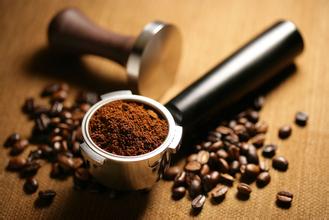
Which estates use red wine to treat coffee beans?-what is the flavor and taste
Which estates use red wine to treat coffee beans-how does it taste? according to Sasa's description in the competition, the handlers inject carbon dioxide into the container to prevent oxidation from producing volatile acid, a process known as lactic acid fermentation, which produces malic acid and lithic acid, which is relatively stable, so the beans fermented by lactic acid have a more mellow acidity.

What is the processing method of Hartman Coffee and Bean Wine? description of Information Manor Flavor
Exchange of professional baristas follow the Coffee Workshop (Wechat official account cafe_style) red wine treatment, also known as controlled fermentation, or lactic acid / acetic acid fermentation experimental team led by American Felipe Sardi, made up of biological scientists and ecologists who apply technologies such as solar energy to the cultivation and processing of raw beans. A special manual picking team has been trained

Red Wine treatment Coffee Bean treatment washing and Solar introduction of manors in producing areas
Introduction to the treatment of coffee red honey Sasa was described in the competition: the coffee fruit was put into a sealed metal container for anaerobic fermentation, and the variable factors such as PH value and the type and number of bacteria involved in the fermentation were controlled purposefully. The processor injects carbon dioxide into the container to prevent

Coffee beans Red Wine treatment-what are the lightly baked coffee beans
Red wine treatment of coffee beans-which light-roasted coffee beans selected coffee cherries are placed in specific containers by farmers (beans used by Australian baristas in Sasa competitions are placed in metal containers). But in any case, the container should have a device similar to a red wine fermentation suppository or a single exhaust valve. In this way, carbon dioxide can pass through this

What is decaf? How about decaf? What are the ways of making decaf?
Professional coffee knowledge exchange more coffee bean information Please follow the coffee workshop (Wechat official account cafe_style) are you worried about palpitations, insomnia, or switch to decaf coffee because of pregnancy? When drinking coffee, you want to consume less caffeine, which is actually similar to the variety of coffee beans and the size of grinding particles.
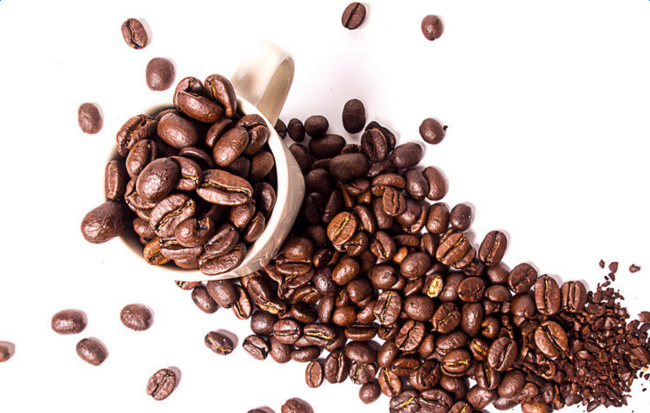
Do you know why coffee tastes a little sour?
Many coffee drinkers sometimes ask if your coffee is sour. Or I don't like sour coffee and so on, let's understand the secret of it. The sour ingredients in raw coffee beans are citric acid, malic acid and quinic acid. Phosphoric acid, etc., but this is not the sour taste we feel when we drink coffee. The sour taste we taste mainly comes from the acid produced in the baking process. Drink coffee

Afraid of insomnia and palpitations, is it healthier to drink decaf? Can pregnant women drink decaf?
Professional barista communication Please follow the coffee workshop (Wechat official account cafe_style) are you worried about palpitations, insomnia, or switch to decaf coffee because of pregnancy? When drinking coffee, you want to consume less caffeine, which is actually similar to the variety of coffee beans and the size of grinding particles.

What is red coffee processing?
What is red coffee processing? In 2015, WBC contestant Sasa brought to the world a Colombia coffee bean treated in a process similar to red wine brewing. In addition to the novelty of the taste of the bean, the "red wine treatment method" adopted to treat the bean also made Xiao Bian and many coffee lovers curious. What exactly is the so-called "red wine treatment"?